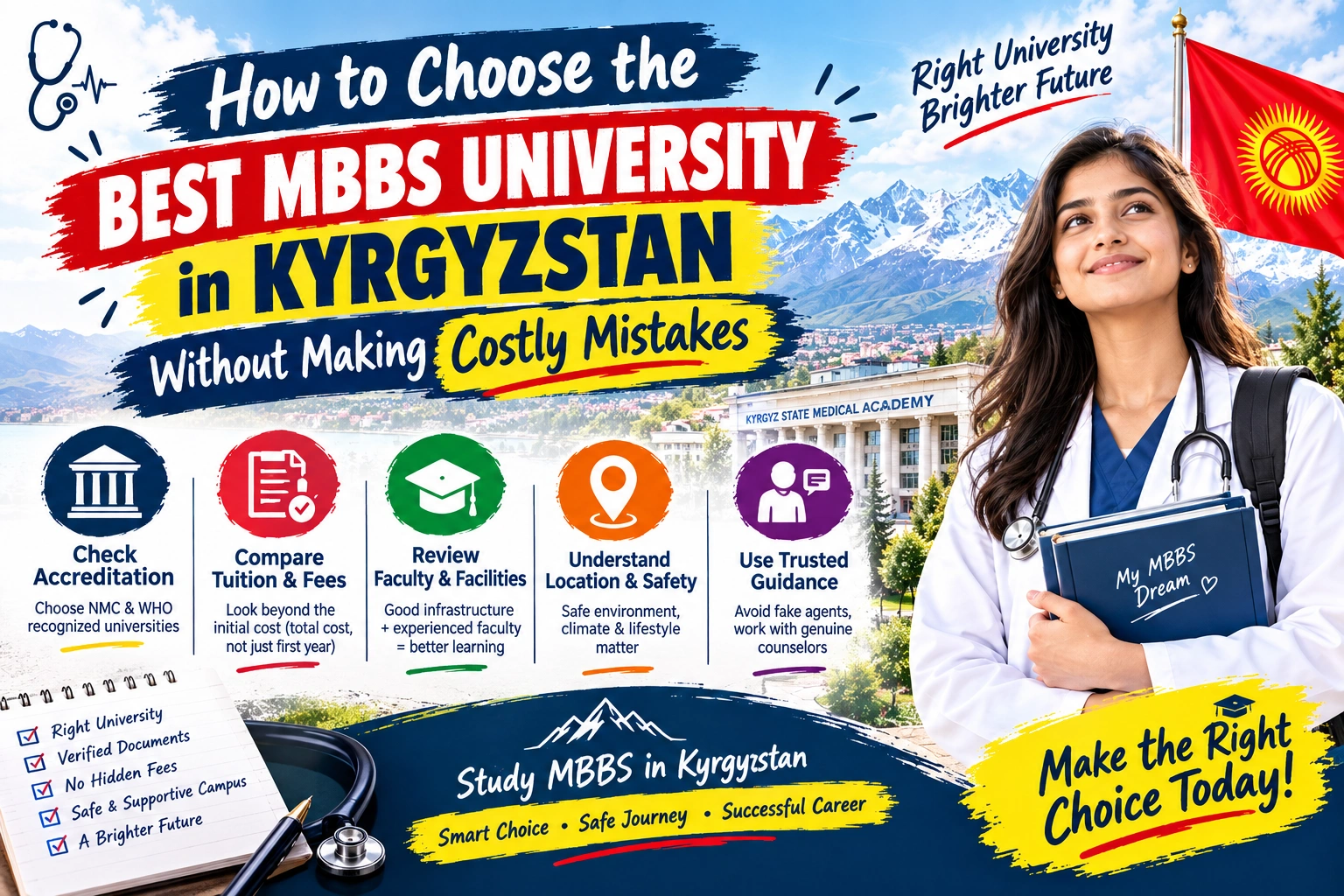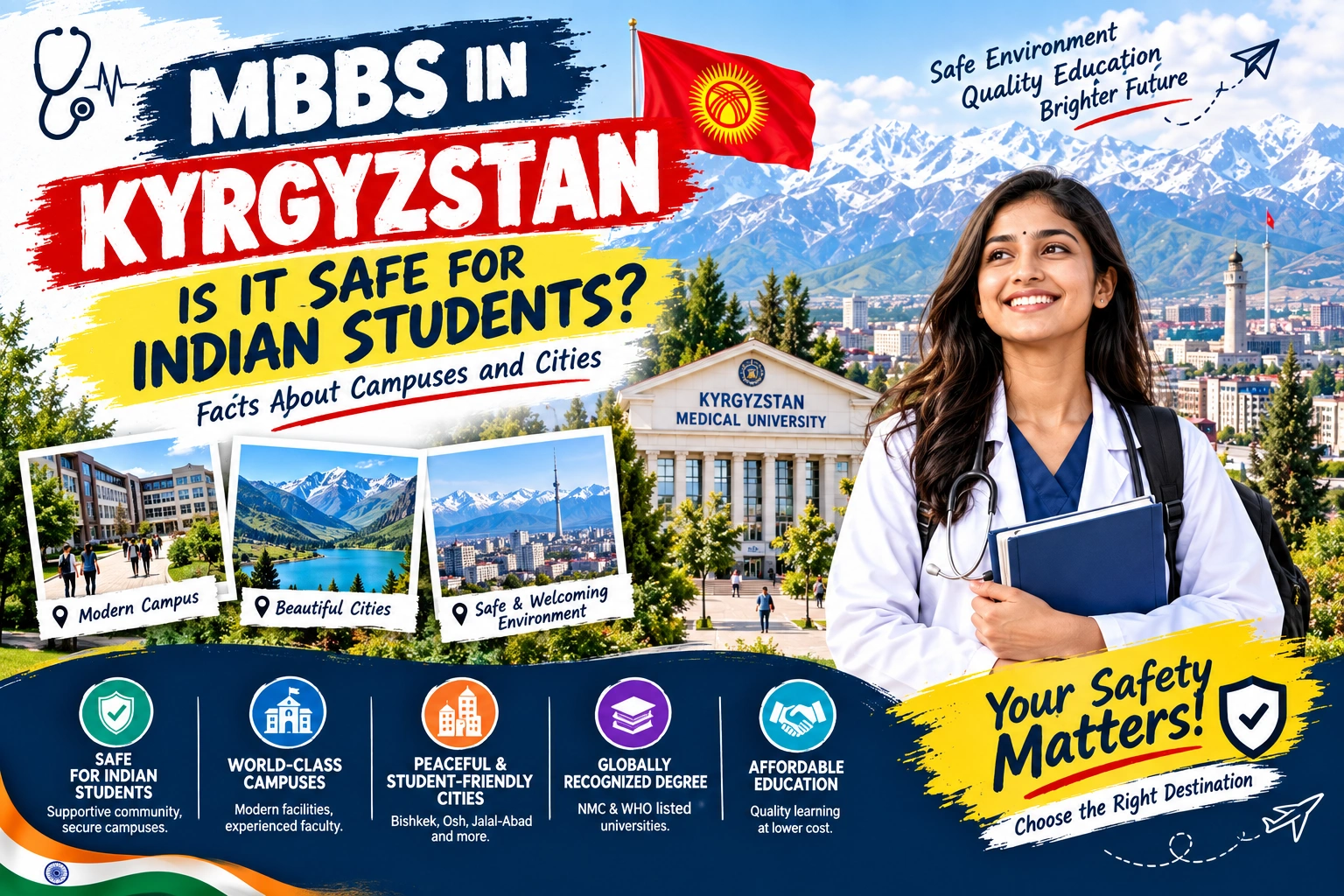
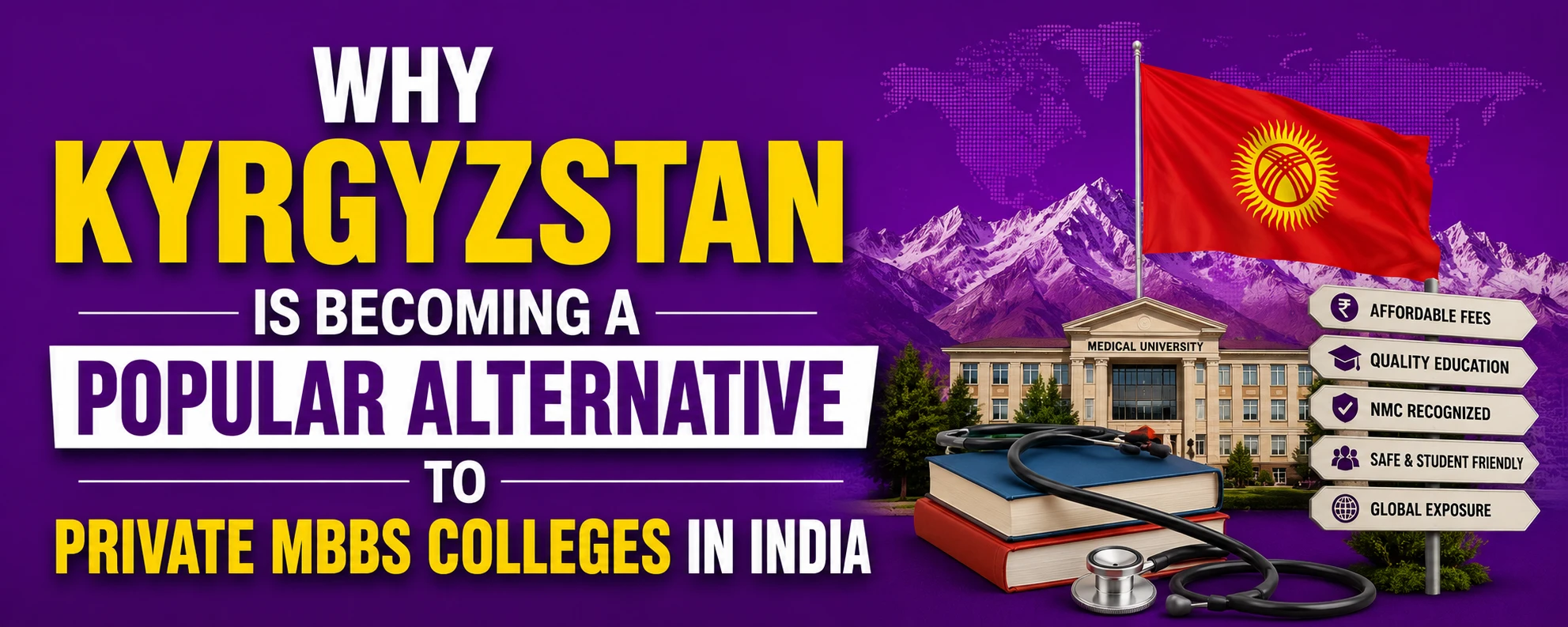
Medicine has long been the most respected and sought-after career path in India. Every year, more than 2 million Indian test-takers sit for the NEET exam to compete for the limited number of medical school seats across the country. However, the total number of MBBS seats at India’s public medical institutions falls far short of the number of qualified candidates who pass the qualifying screening. Public medical colleges charge very low tuition, but require extremely high NEET scores. As a result, even thousands of test-takers who pass the NEET exam cannot gain admission to the public medical system, leaving them with only two options: either pay the exorbitant tuition fees of India’s private medical colleges, or pursue affordable medical education opportunities abroad.
The total tuition for a full MBBS program at Indian private medical colleges reaches 6 million to 100 million rupees, and the tuition range for some top private institutions even rises to 8 million to 150 million rupees. This places an unbearable financial burden on ordinary middle-class families in India, directly driving massive demand for pursuing medical degrees overseas.
In recent years, MBBS in Kyrgyzstan has gradually become the top study-abroad destination for Indian medical students, with more than 17,000 Indian students currently studying medicine in the country. Its seven clear core advantages that attract student applicants are: low tuition fees, English-taught programs, international recognition of medical qualifications from local universities, low cost of living, simple admission processes, a large existing community of Indian students, and abundant opportunities for clinical exposure and practical training. The most central draw among these is the extremely high cost-effectiveness of its tuition.
This paper will conduct an in-depth exploration of the core issues surrounding this emerging study-abroad trend in subsequent sections.
Why Indian Students Are Choosing Kyrgyzstan for MBBS
For Indian students planning to pursue a medical degree and their parents, the numerous pain points of India’s domestic private medical colleges have long been a core barrier to their educational goals. The program MBBS in Kyrgyzstan that we have sorted out and outlined meets this group’s core needs across multiple dimensions, resolving each of these problems one by one.
Significant Cost Advantage
First is its total cost advantage: the full expense of completing a medical degree in Kyrgyzstan, including tuition, accommodation, and living costs, amounts to roughly 1.5 million to 3.5 million Indian rupees, a figure that fluctuates based on a student’s chosen institution and personal lifestyle. This total is far lower than the cost of attending a private medical college in India, allowing middle-income families to achieve the previously unaffordable goal of studying medicine without taking on heavy debt.
Unlike private medical colleges in India, which commonly impose hidden costs such as large upfront donation fees and capitation fees, most medical colleges in MBBS in Kyrgyzstan have no such requirements. They admit students solely based on eligibility standards and NEET scores, and their transparent fee structure is one of the core factors attracting Indian students.
International Recognition and Compliance
Kyrgyzstan’s top medical colleges are listed in the World Directory of Medical Schools (WDOMS) and recognized by international bodies. Graduates of these programs may sit for national medical licensing exams in countries around the world in line with local regulations, or apply for graduate programs.
We remind interested students that they must independently verify an institution’s qualification via WDOMS before submitting an application.
Most programs offered by these institutions also meet the regulations set by the National Medical Commission (NMC) for foreign medical students, fulfilling the eligibility requirements to take India’s domestic national medical licensing exam and eliminating concerns over regulatory compliance.
English-Medium Education
The MBBS programs for international students are taught entirely in English. Students are only required to master basic Russian or Kyrgyz for clinical interactions, which completely removes language barriers, and this is another key reason the program is popular among Indian students.
Affordable Living Costs
Added to that, Kyrgyzstan’s cost of living is far lower than that of other mainstream study-abroad destinations, so all these advantages precisely address the core needs of the target group.
Key Advantages of Studying MBBS in Kyrgyzstan
If you are an Indian medical student planning to pursue a medical degree overseas, Kyrgyzstan is an ideal study-abroad destination that perfectly aligns with your core academic needs.
We break down its unique advantages across eight core dimensions, with all arrangements designed to reduce study-abroad stress, improve the overseas study experience, and secure long-term career development prospects:
Cost of Living
Local monthly expenses for accommodation, food, transportation and personal daily needs all fit within the reasonable budget of an average family, helping families allocate educational resources efficiently while ensuring students enjoy a comfortable and stable study-abroad life.
Admission Process
Compared with India’s intensely competitive domestic medical admission system, Kyrgyzstan’s application process is simple and clear.
Applicants only need to provide their NEET qualification, 12th-grade completion certificates for physics, chemistry and biology, a valid passport, and other required application materials.
The vast majority of local universities do not hold additional entrance exams, greatly reducing applicants’ stress and uncertainty.
Indian Student Community
Thousands of currently enrolled Indian medical students live and study locally, providing new students with access to resources such as peer support, student union events, cultural celebration organization, shared housing matching, and academic tutoring, to help new students adapt quickly to the overseas environment.
Dietary Support
University dormitories are equipped with Indian-style canteens and full-vegetarian meal counters.
South Asian grocery stores operate nearby.
Dormitories also have self-catering facilities, addressing the top concern of dietary compatibility that matters most to Indian international students.
Campus Facilities
Local medical universities are equipped with advanced laboratories, clinical simulation centers, digital libraries, modern classrooms, and professional training facilities to support both theoretical and hands-on practical learning.
Clinical Training
Through arrangements including hospital rotations, case discussions, doctor-patient interactions, and laboratory practice, students gain early access to clinical exposure, building solid core diagnostic and treatment capabilities.
Career Development Opportunities
Eligible graduates meet the regulatory requirements to practice medicine in multiple countries worldwide.
To return to work in India, they must follow the regulations of the NMC.
To work in the U.S., they can prepare for the USMLE to apply for residency programs.
To work in the U.K., they must meet the requirements of the General Medical Council (GMC).
They may also apply for medical positions in countries across Europe, Australia, Canada, the Middle East, and Central Asia.
Safe Environment
Kyrgyzstan is an internationally recognized safe and friendly study-abroad destination, able to provide all international students with a stable, secure environment for study and daily life.
Challenges Students Should Prepare For
This study focuses on Indian students intending to pursue a medical degree and their parents, and systematically compiles comprehensive decision-making reference information for studying for a Bachelor of Medicine and Bachelor of Surgery (MBBS) in Kyrgyzstan, to provide clear, practical support for relevant families making study-abroad choices.
Partner institutions in Kyrgyzstan offer dedicated support services exclusively for Indian international students.
This study also outlines four categories of potential challenges that require advance preparation:
Climate Adaptation
First, local winters are colder than those in most parts of India, so students must prepare to adapt to the local living environment ahead of time.
Language Preparation
Second, to complete required clinical practice, students need to master basic Russian or Kyrgyz, so language learning must start in advance.
Licensing Examination Preparation
Third, graduates who return to India to practice medicine must pass the country’s national medical licensing exam, so they must make early exam preparation plans.
Cultural Adaptation
Fourth, students need to integrate into local customs and social norms, so they must prepare ahead of time for cultural adaptation.
Conclusion
The core decision-making logic of Indian parents centers on cost-benefit analysis. The tuition for a program MBBS in Kyrgyzstan at a private medical college in India exceeds 1 crore rupees, while the total cost of completing medical education in Kyrgyzstan is far lower, and the degree it issues is internationally recognized.
This advantage has directly driven the surging popularity of Kyrgyzstan as a study destination for Indian medical students.
Competition for domestic MBBS seats in India will continue to intensify, and demand for affordable international medical education will rise further. With five core strengths that align with this demand—low tuition, English-medium instruction, internationally recognized degrees, a welcoming study environment, and an established local Indian community—Kyrgyzstan has become a practical alternative to private MBBS programs in India, particularly suitable for medical applicants who do not want to place a heavy financial burden on their families.
For information on global medical education standards, students may also refer to the World Health Organization (WHO).